Colors can evoke emotions and convey meanings, with certain hues being deemed more appropriate for specific spaces than others. Lighting plays a crucial role in determining the ambiance of a room, and the choice between natural and artificial light sources is significant. Lastly, texture adds depth and interest to a space, and the selection of materials and surfaces is an important aspect of the design process.
The essentials of interior design are color, light and texture. Mastering these three is the key to designing an attractive, functional and comfortable home. If you’re just starting out, perfecting these will be a great place to start.
Colors often play a significant part in designs. Each color is associated with different meanings and symbolism. For instance, while red symbolizes love in the West, it represents good fortune in the East. White signifies peace in the West but mourning in the East. Incorporating inappropriate colors can diminish the impact of your message. When selecting colors for your logo, keep the cultural context of your intended audience in mind.
Color evokes emotion and helps determine the spatial appearance and visual weight of the space. Light values will make small spaces appear larger and airier, and dark values will create a cozier, more intimate effect. Neutrals offer the perfect contrast for colorful accessories. Using colors that complement the color of furniture, accessories, and rug will assure a sense of continuity throughout a space. Beginners should limit themselves to two or three colors, and use them consistently in multiple areas.
The Power of Light
Lighting affects not only the appearance of a space, but its livability as well. Wherever possible, natural lighting should be used in a space, either through windows, skylights or mirrors that reflect the natural light. Because artificial light is so versatile, it can be used to enhance design elements and evoke an atmosphere. This lighting can be layered with overhead lighting, task lighting, and table lamps to create the desired level of light needed. Additionally, with ample lighting, colors appear true and textures are more apparent.
However, what is texture, really?
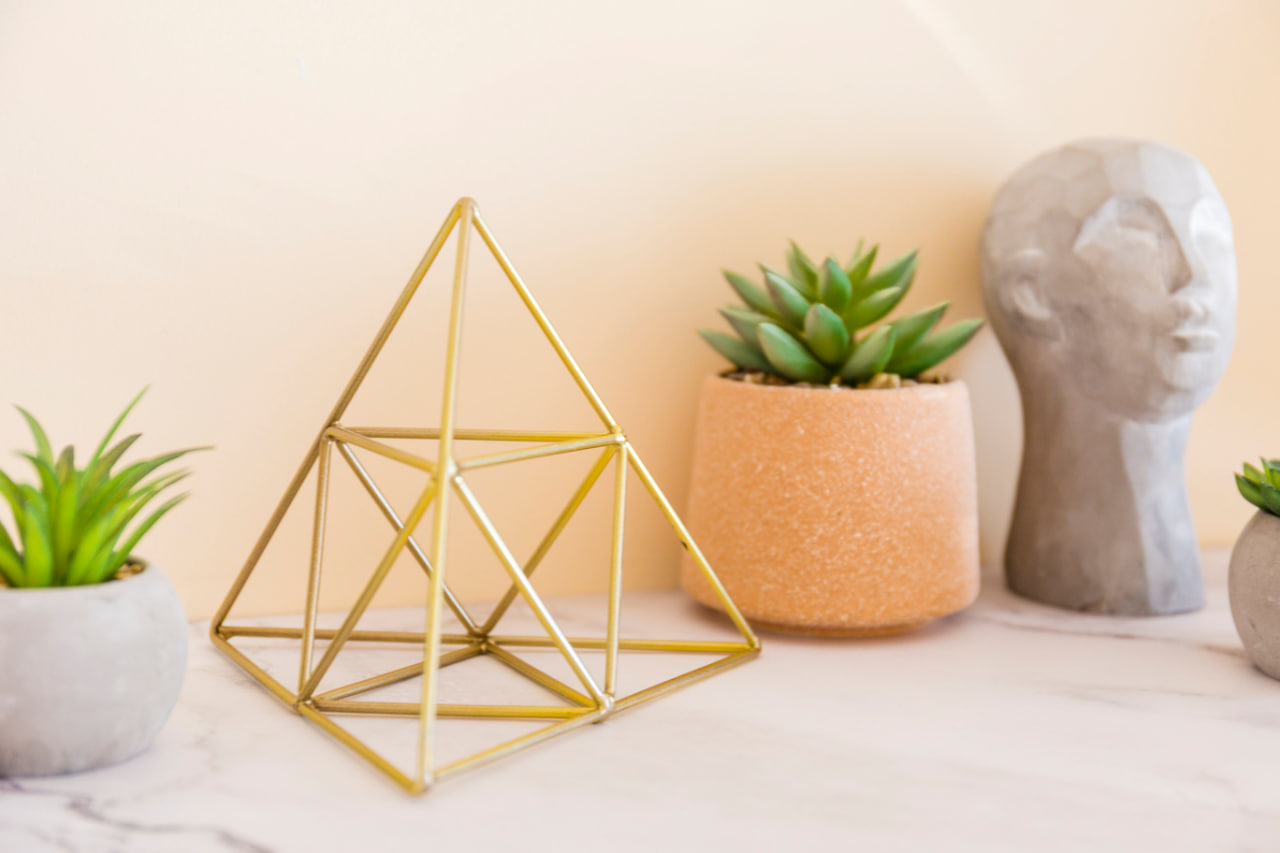
Texture is important for visual and tactile experience, to prevent the space from looking boring and cold. Contrasting different textures such as wood, metal, fabric, glass, etc., adds depth to a space. Similarly, soft rugs, cushions, curtains add cosiness, whereas tables, countertops, and other decorative hard-surfaced items provide definition. For those who are just starting out, try playing with textures to strike a balance without over-accessorizing.
Mixing Color, Light, and Texture
When working together, color, light, and texture can produce the most beautiful spaces. Consider that natural lighting will make any neutral color more interesting when paired with varied textures. Soft textures and ambient lighting may make a bold color feel less overwhelming. The act of considering all of these elements will make each room visually appealing and feel carefully thought out.
Selecting a color scheme
For starters, choose a dominant color and use colors that are near it on the color wheel for accent pieces. The colors that are next to each other are harmonious and those that are opposite are energizing. The easiest way to use color as a beginner is to add it with paint, fabric, an art piece, or an accessory. You can add these pieces over and over again to create continuity.
“Textured Highlight”
Use it to create boundaries, or to draw attention to something. A velvet sofa or a woven rug or a wood side table can ground you in a space. You can also mix and match textures: throw a soft blanket over a hard chair, hang a patterned fabric against a smooth wall. Pay attention to the way light works with the texture to achieve the desired effect.
Lighting Tips
Pay attention to how the lighting you choose will affect the colors and textures in the space. Allow for natural light when possible, rather than covering windows with heavy shades. Incorporate task lighting when necessary, to make the space functional, as well as accent lighting to highlight specific architectural details or art. Consider using dimmers or table/floor lamps to offer more lighting control, and don’t be afraid to test out different lighting schemes to determine what works best for you.
Mistakes Newbies Make
Newbies tend to overdo bold hues, overlook the role of light, and fail to balance texture. Forgetting to balance soft with hard is another mistake. By keeping unity, repetition, and restraint top of mind, you’re less likely to overdo a room and more likely to achieve a unified look.
Real-Life Lessons for Real-Life Decorating
Begin with a neutral or soft color for walls and large pieces of furniture.
Add accent colors with accessories, throw blankets and pillows, and other home decor items.
Stack textures to create interest, but don’t overdo it.
Utilize lighting to accentuate focal points and establish an atmosphere.
Pay attention to how the light falls at different times of the day and move things around if necessary.
The Fundamentals
The foundation of interior design is color, light, and texture. These elements, when grasped and utilized appropriately, help a novice designer create a space that is both beautiful and functional. As with any skill, the more you do it, try it, and observe it, the better you will get at designing your space.
Unifying Your Space
A house with a good balance of color, lighting, and texture is harmonious and inviting. One principle should enhance the other and contribute to the overall ambiance and functionality of a room. With the basic principles, anyone (even a newbie) can design their home to be both beautiful and functional, showcasing their individuality, while maintaining harmony and comfort.